
Speech Blubs: Language Therapy
Blub Blub Inc.Parenting
4.61.67K Reviews
- Version
- 18.6.0
- Installs
- 5.00M
- Age Rating
- Everyone
Screenshots
Our Review of Speech Blubs: Language Therapy
 Analysis by Appyee
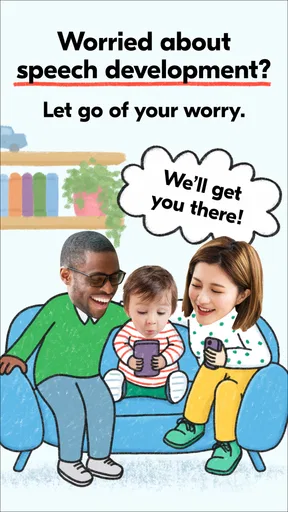
If you’re choosing a first speech-practice app for your child, it helps to know what a screen-based activity can—and cannot—do. Speech Blubs: Language Therapy is a parenting app from Blub Blub Inc. built around children watching and joining speech exercises. I’d approach it as a way to make short practice sessions feel more inviting, not as a diagnosis or a substitute for a qualified speech-language professional.
The first useful goal is modest: help your child feel comfortable looking, listening, and trying a sound or word. You do not need to turn the first session into a test, or expect a visible change after one sitting. A relaxed attempt and a child willing to come back are more meaningful starting points than perfect pronunciation.
What to expect from a speech-practice app
The app’s child-facing videos and activities offer a different feel from handing a child a worksheet or asking them to repeat words on demand. Its approach puts examples on screen and invites participation, which may suit children who respond well to seeing another child demonstrate an activity. In my view, that format is most useful when an adult stays nearby and treats the app as a shared activity rather than a babysitter.
Speech practice is personal: children develop at different paces, and one child’s enthusiasm does not predict another’s response. Some may happily copy a sound; others may watch first, lose interest, or prefer to practise with a familiar adult. That is not a reason to force a session. I’d follow the child’s attention and keep the tone playful, especially on a first visit.
As a parenting app, it is aimed at families looking for a practical way to bring speech activities into everyday life. Speech Blubs is rated for Everyone, and the app is free to download, with in-app purchases listed from $9.99 to $99.99 per item. I would check the purchase options carefully before settling into a routine, so there are no surprises about which parts of the experience require payment.
Getting through the first setup calmly
After installing it, I’d start by opening the app together and exploring at the child’s pace. Keep the first visit simple: let your child see what the activities look like, choose something that catches their interest, and make room for a pause. If a child is shy around speaking into a device, sitting beside them and trying the activity yourself can take the pressure off.
It also helps to decide in advance what a successful first session means. For one child, that may be watching a demonstration; for another, it may be attempting a sound. Avoid correcting every response or asking for repeated performances. The point is to create a comfortable opening, not to measure your child against an app’s prompts.
Speech Blubs is currently at version 14.2.0 and requires Android 7.0 or later. It has an average rating of 4.5 from around 26,000 ratings, alongside about 1,600 written reviews and over 5 million installs. Those figures suggest that many families have tried it, but they cannot tell you whether its style will click with your particular child.
Finding one first meaningful action
For a first activity, I’d choose one prompt and join in instead of scrolling around for the “best” lesson. Watch or listen together, then give your child a chance to respond in whatever way feels comfortable. If they do not speak, you can model the sound once and move on; a quiet first attempt can still make the next session less unfamiliar.
A useful everyday scenario is a short practice moment before a familiar routine, such as getting ready to leave or settling in after play. Keep the phone with an adult, share the activity, and stop while the child is still engaged rather than extending the session to reach an arbitrary goal. That makes it easier to return another day without turning speech practice into a source of tension.
Parents often wonder whether they should sit with the child or let them use the app alone. I’d stay involved, particularly at the beginning. A child may need help understanding what to do, and your presence lets you notice whether they are enjoying the activity, becoming frustrated, or simply ready for a break. The app can prompt practice, but you provide the context and reassurance.
The Magic of Speech Blubs
First off, Speech Blubs: Language Therapy is quite the gem when it comes to engaging children. The app is designed to cater to kids aged 1 to 8, and it uses interactive videos and fun activities to make learning an absolute blast. I was pretty impressed with how it manages to keep the little ones glued to the screen in a productive way.
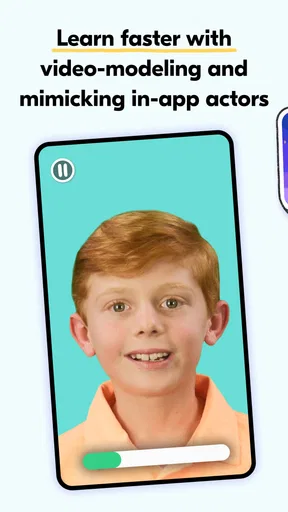
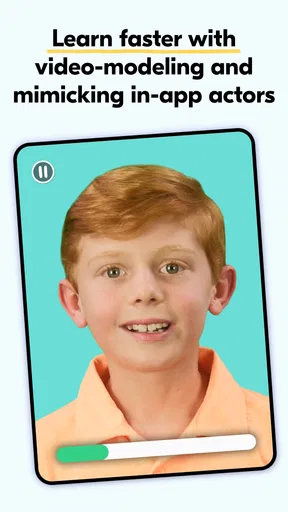
What makes this app stand out is its use of real kids in its videos. Seeing other children speaking and playing seems to really resonate with users. It’s like having a peer mentor right in their pocket. Plus, the videos are short and sweet, so they hold the attention of even the most restless youngsters.
Features That Stand Out
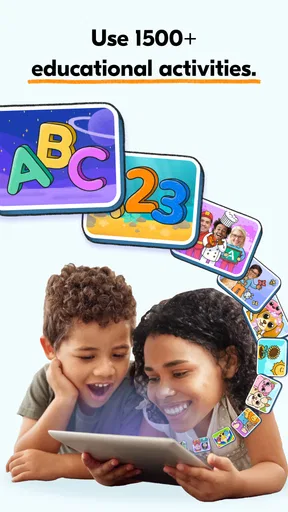
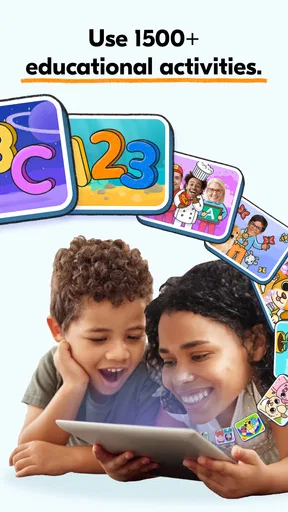
Let’s talk features. This app isn’t just about watching videos. It’s packed with a variety of activities that promote speech development. From mimicry exercises to tongue twisters, each activity is designed to target different speech sounds and patterns.
One feature that I found particularly nifty is the voice-activated feedback. It’s like having a speech therapist on call. The app listens to the child’s speech and provides immediate feedback, which is super helpful for correcting and improving pronunciation.
Another neat aspect is the reward system. Kids earn stickers and badges as they progress, which keeps them motivated. Let’s be honest, who doesn’t love a little recognition for their hard work?
Ease of Use
Now, I should mention that setting up the app is a breeze. The interface is intuitive and user-friendly, which means you don’t have to be a tech whiz to get it up and running. Navigating through the different sections is straightforward, and everything is clearly labeled. I found this particularly useful since I’m not the most tech-savvy person out there.
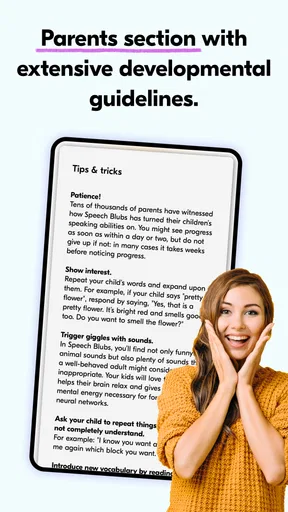
The app also does a great job of tracking progress. You can easily see which areas your child is excelling in and which ones might need a bit more work. It’s like having a personalized report card at your fingertips.
What the Kids Think
Of course, the real test is how the kids react to it. I had a few little testers give it a try, and the verdict was unanimously positive. They were laughing, engaged, and most importantly, learning. The interactive aspect really seems to click with them, and I noticed an improvement in their willingness to practice speaking.
One of my little testers, a particularly shy 4-year-old, was initially hesitant to try it out. However, after a couple of sessions, he was actively participating and even asking to play with the app. It’s like the app has a secret formula for breaking through those initial barriers.
Making the routine work for your family
The biggest practical trade-off is that an activity designed to hold a child’s attention still happens on a screen. I’d use it as one small part of a day, not as the whole plan for language development. After a prompt, you can carry the same idea into play or conversation: name an object you are already using, take turns making a sound, or let your child answer in their own time. That gives practice a natural place outside the phone without asking the app to do more than it can.
Another point worth keeping in mind is that voice-based feedback should not be treated as a professional assessment. A device can offer an activity response, but a parent should not use that response alone to decide whether a child has a speech or language difficulty. If you are concerned about your child’s communication or have already been advised to seek support, speak with a qualified professional and use an app only if it fits their guidance.
Families comparing options may be weighing this against picture books, ordinary conversation, videos, or working directly with a speech-language professional. Books and everyday talk are easy to adapt to a child’s interests and do not depend on an app’s prompts; professional therapy offers individualized guidance. Speech Blubs is the more structured, screen-based option, and its child-led demonstrations may be a better fit for a child who enjoys copying others. It is not automatically better than those alternatives, and it should not replace them when a child needs tailored support.
If your child refuses to speak to a device, gets overstimulated by screens, or finds rewards distracting, I would not make this the centre of your routine. Try a brief shared activity and see how they respond, but be ready to switch to conversation or play. A tool is useful only when it fits the child in front of you.
Final Thoughts
All in all, Speech Blubs: Language Therapy is a fantastic tool for parents and caregivers looking to support their child’s speech development. It’s fun, engaging, and educational, all wrapped up in a neat little package. While it’s not a replacement for professional speech therapy, it’s certainly a valuable supplement.
If you’re eager to give your child a head start in language development or just want to support their current learning, this app is definitely worth a try. So why not download it and see the magic for yourself?
Who I’d recommend it to—and what to do next
I’d consider it for a caregiver who wants a ready-made way to invite a young child into short speech activities and is happy to participate alongside them. It may be especially appealing when a child responds to other children on screen and enjoys copying sounds or actions. If your main need is individualized assessment, a clear treatment plan, or direct guidance for a particular concern, I’d put professional advice first and treat any app as an optional supplement.
For the next step, choose one activity, stay close, and notice what your child actually enjoys: watching, copying, taking turns, or using a new sound later in play. Keep expectations gentle, and judge the fit by whether the activity supports a positive practice moment—not by whether it produces instant progress. That is the most reassuring way to find out whether Speech Blubs belongs in your family’s routine.
Privacy and Permissions
See what permissions an app requests and how it handles your data.
- Photos/Media/Files
- read the contents of your USB storage, modify or delete the contents of your USB storage
- Storage
- read the contents of your USB storage, modify or delete the contents of your USB storage
- Camera
- take pictures and videos
- Microphone
- record audio
- Other
- view network connections, full network access, change your audio settings, run at startup, use accounts on the device, control vibration, prevent device from sleeping, Google Play license check
Verdict
Strengths of Speech Blubs: Language Therapy
- Engaging and fun activities for kids.
- Adaptive learning based on progress.
- Wide variety of speech exercises.
- User-friendly interface for parents.
- Regular updates with new content.
Limitations of Speech Blubs: Language Therapy
- Limited offline functionality.
- Subscription required for full access.
- Some exercises may feel repetitive.
- Requires constant internet connection.
- Limited customization options.
Similar Picks in This Category
View All
Family Space
Motorola Mobility LLC.3.9

شرطة الأطفال - مكالمة وهمية
Oub Apps4.1

Findmykids: Parental Control
LETEM LTD4.6

Pregnancy + | Tracker App
Philips Electronics UK Limited4.8

Policía de niños - para padres
Kids police4.7

Pregnancy App
Amila4.9
Frequently Asked Questions
What is Speech Blubs: Language Therapy, and who is it for?
Speech Blubs: Language Therapy is an interactive app designed to help children improve their speech and language skills through engaging activities and videos. It's ideal for children aged 1 to 8, including those with speech delays or special needs, such as autism or Down syndrome. The app is used by both parents and therapists to support language development.
How does Speech Blubs: Language Therapy work?
The app uses video modeling, a scientifically-proven method where children learn by imitating others. It features thousands of videos of kids speaking, allowing children to mimic sounds, words, and phrases. The app also includes fun activities, voice-activated games, and educational content to keep children engaged while practicing their speech.
Is Speech Blubs: Language Therapy safe for children to use?
Yes, Speech Blubs prioritizes child safety. The app is designed to be child-friendly and does not contain any ads. It also complies with the Children’s Online Privacy Protection Act (COPPA), ensuring that personal information is protected. Parents can feel confident that the content is appropriate and safe for their children.
Can Speech Blubs be used without an internet connection?
While an internet connection is required for initial downloads and updates, many features of Speech Blubs can be accessed offline. This makes it convenient for use during travel or in areas with limited internet access, allowing children to continue their learning without interruption.
What is the cost of Speech Blubs: Language Therapy, and are there any subscription options?
Speech Blubs offers a free trial to explore its features. After the trial, users can choose from various subscription options, including monthly, yearly, or lifetime access. Pricing may vary based on region and promotional offers, making it flexible for different budgets.
